Slow drains throughout the house
Sinks, tubs and toilets all draining sluggishly at once points past the household plumbing and toward the tank or drainfield.
Septic repairs · Bryan, TX
Most septic problems give a warning before they turn into a backup. Here's what to watch for and how a repair visit usually goes.
Mon–Fri, 7 a.m. to 6 p.m.
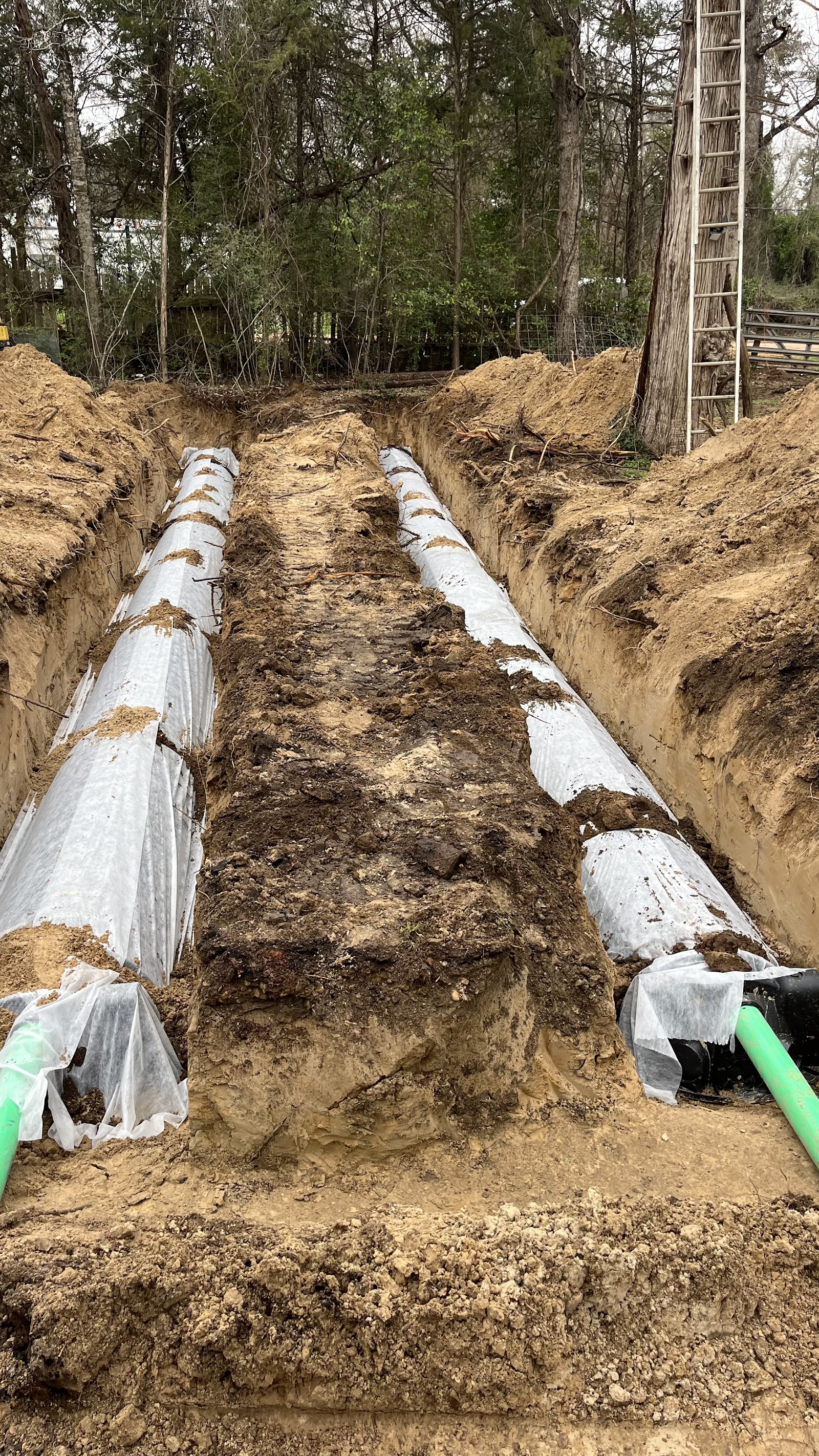
A septic system has a handful of parts that can wear out or fail. There's the tank itself and the baffles inside it that keep solids where they belong. There are the pipes running from the house to the tank. Some systems have a pump and controls. And there are the drainfield lines that send treated water into the soil.
A repair starts with figuring out which of those is actually causing the trouble. Fixing the right part the first time is the whole game.
One slow sink is usually just a clog. When several of these show up together, or a drain problem shows up all over the house, the septic system is the likely cause.
Sinks, tubs and toilets all draining sluggishly at once points past the household plumbing and toward the tank or drainfield.
Bubbling sounds when you flush or run water often mean air and wastewater aren't moving through the system the way they should.
A rotten-egg or sewage smell inside, or near the tank and drainfield outside, is worth taking seriously.
Soggy soil or standing water when it hasn't rained means wastewater is surfacing instead of soaking in.
A strip of unusually lush, fast-growing grass over the drainfield can mean it's getting more wastewater than it should.
Sewage coming up through a tub, shower or floor drain is the sign nobody wants. Stop using water as much as you can and call.
If your system has a pump, it may have an alarm or warning light. When it goes off, something needs a look.
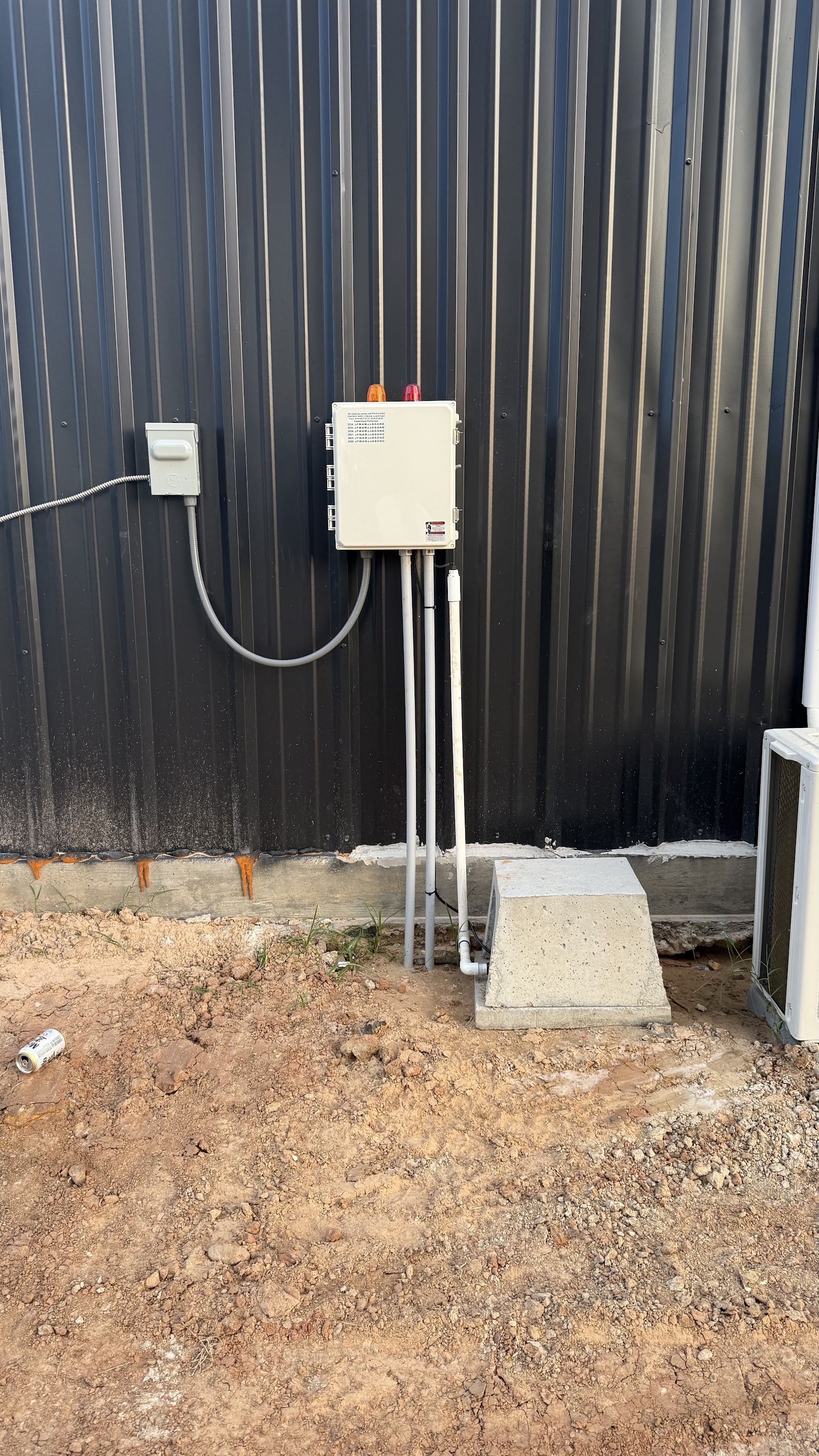
Every system is different, but repairs tend to follow the same path.
What you're seeing, smelling or hearing, when it started and when the tank was last pumped.
The system is checked from the house out to the drainfield to see where things stop working.
The problem gets narrowed to a component: the tank, its baffles, the pump or the drainfield lines.
Once the cause is clear, the failing part is repaired or replaced and the system goes back into service.
The most common early sign is drains slowing down all over the house at the same time. A single slow sink is usually a clog in that line. When the kitchen, the tubs and the toilets are all sluggish, the problem is more likely in the tank or the drainfield.
Other signs to watch for:
If you notice any of these, cut back on water use (hold off on laundry and long showers) and call. A problem caught while it's still a slow drain is usually a smaller job than one caught after a backup.