New septic installs · Bryan, TX

New Septic Installs

A new septic system is planned around your soil, your lot and the rules where you live. Here's how the process generally works.

(979) 213-3460

Mon–Fri, 7 a.m. to 6 p.m.

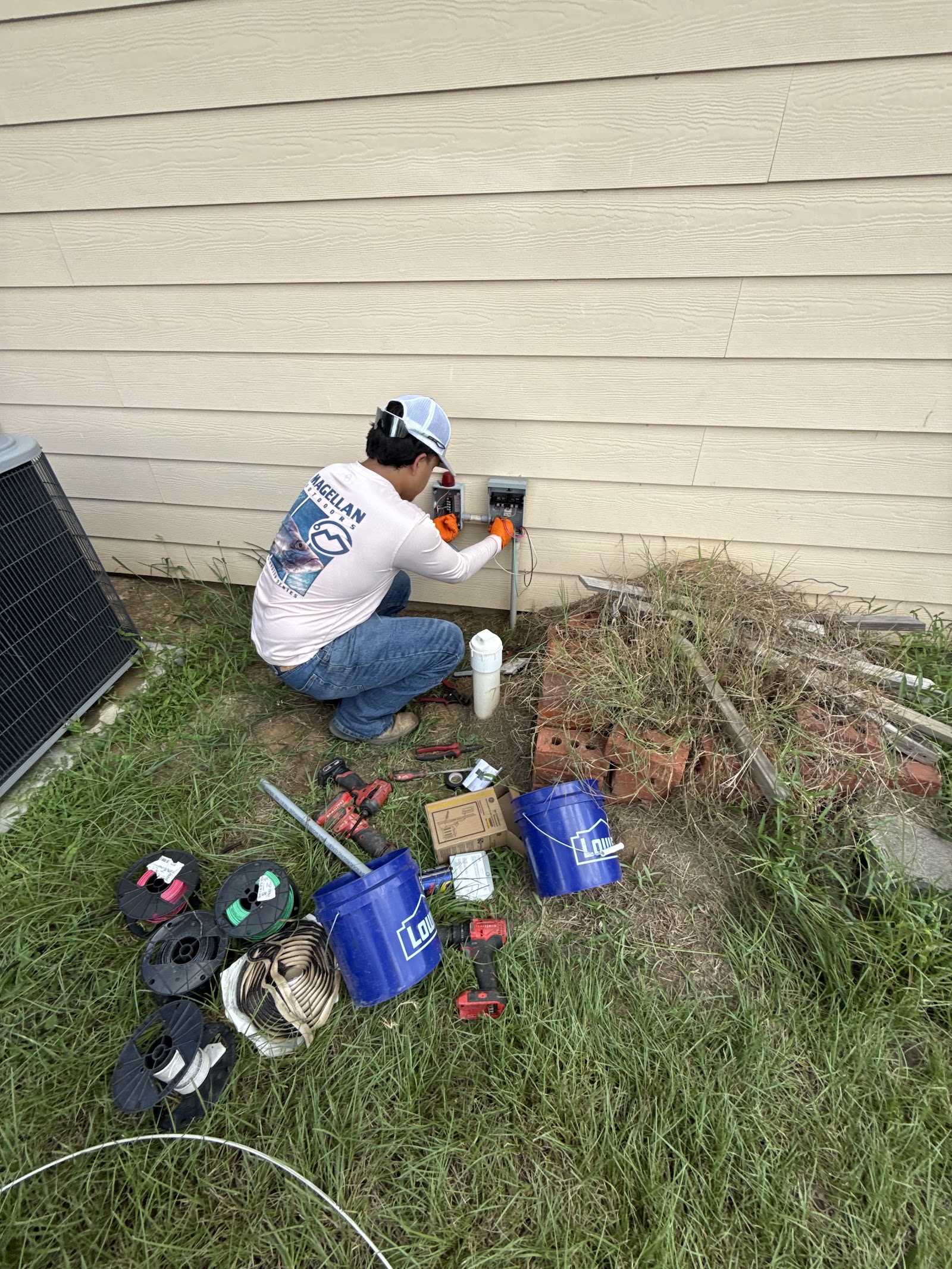
Septic installer in orange gloves wiring a system electrical box on a house exterior, with tools and wire spools on the grass

What a new septic install involves

A conventional septic system has two main parts. The tank holds wastewater long enough for solids to settle out. The drainfield is a set of lines in the ground where the liquid soaks into the soil and gets treated. Some sites call for a different design, such as an aerobic system, depending on the soil and the lot.

Putting one in takes planning before anyone digs. The soil has to be evaluated, and the system has to be sized for the site and the household. In Texas, septic work follows TCEQ rules, with permits issued by the local authorized agent (usually the county), or by TCEQ where there isn't one.
When a property needs a new system

New construction

Building a home on land without city sewer means the septic system has to be designed, permitted and installed as part of the project. It's worth bringing it up early, since soil conditions and the system's location can affect where the house and driveway go.

Replacing a failed system

Sometimes a tank or drainfield is past repair. When that happens, a replacement system is the way to get the property working again.

A bigger house or household

Systems are sized for the home they serve. Adding bedrooms or a lot more people can push an older, smaller system beyond what it was built to handle. If you're planning an addition, ask about septic before construction starts.

How a new septic system goes in

The details change from lot to lot, but the order of work is pretty consistent.

  1. Site evaluation and soil assessment

    The property and its soil are evaluated to see how well water will soak in and where a system can go.

  2. System design and permitting

    A system is designed to fit the site and the household, and the permit is obtained from the local authorized agent, usually the county.

  3. Excavation

    The hole for the tank and the trenches for the drainfield lines are dug to the design.

  4. Tank and drainfield installation

    The tank is set, the drainfield lines are laid and everything is connected back to the house.

  5. Inspection and backfill

    The installation is inspected before it's covered. Once it passes, the trenches and tank area are backfilled.

New install questions

What does a new septic system installation involve?

Here's the walk-through, start to finish:

  1. Site evaluation. The lot is looked over and the soil is tested to see how it handles water.
  2. Design. Based on the soil, the lot and the size of the household, a system type and layout are chosen.
  3. Permitting. In Texas, the permit comes from the local authorized agent (usually the county), or from TCEQ where there isn't one.
  4. Excavation. The tank hole and drainfield trenches are dug.
  5. Installation. The tank goes in, the drainfield lines are laid and the system is connected to the house.
  6. Inspection and backfill. The work is inspected before it's covered, then the area is backfilled.

Timing depends on the site, the permit and the weather. Call and tell us about your property to talk through what yours would look like.

More septic questions
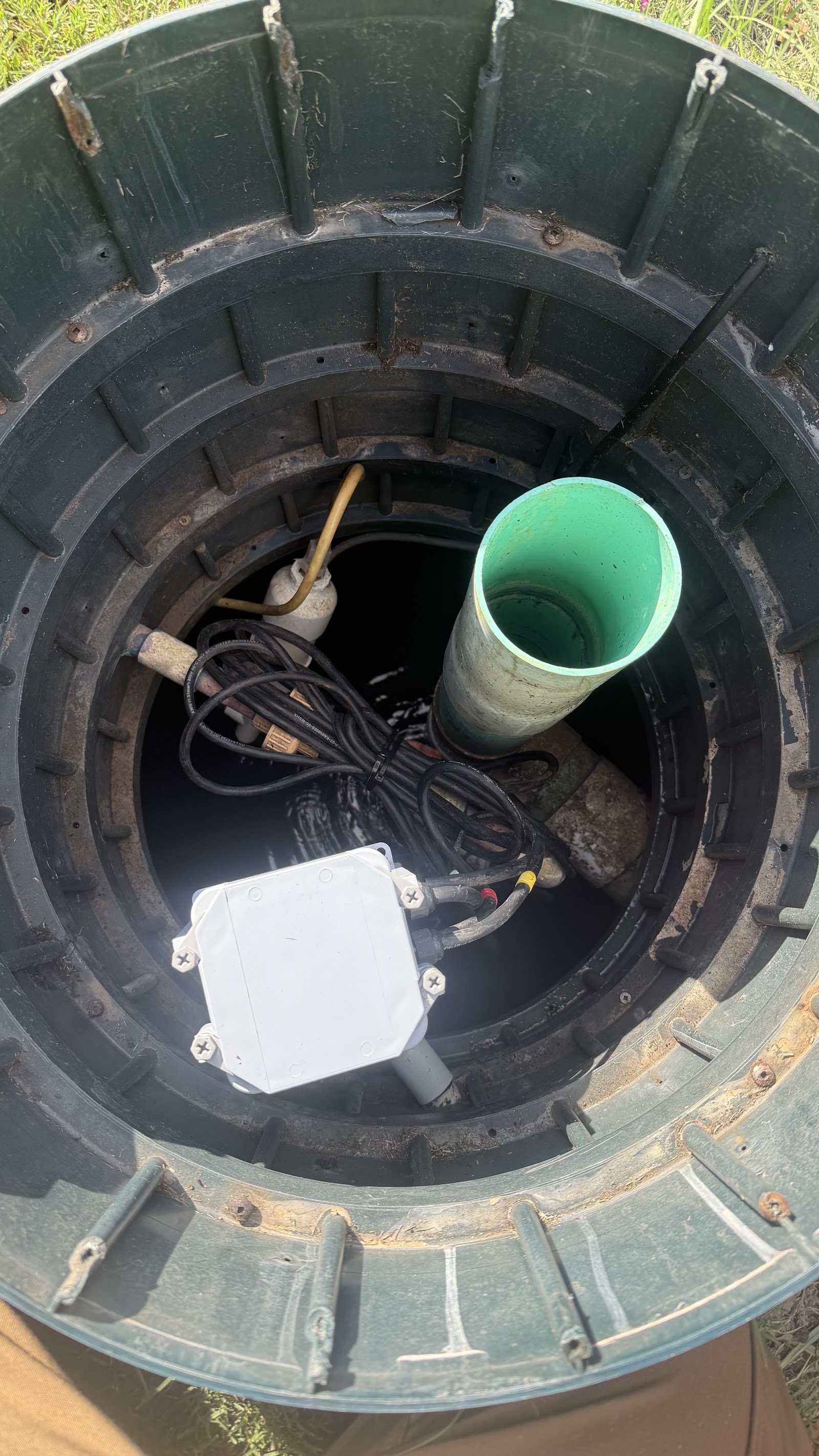
Overhead view inside a green septic tank riser on a new install, showing a white electrical junction box and cables
Inside a septic tank riser

Planning a build or a replacement?

Request an installation consultation and tell us about the property. The earlier septic is part of the plan, the easier it goes.

(979) 213-3460
Request a consultation Mon–Fri, 7 a.m. to 6 p.m.